
Q&A with ChatGPT about Software Testing
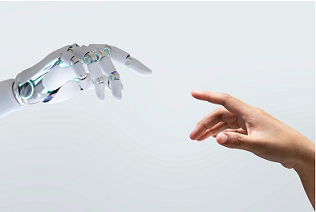
It’s been just a short while since OpenAI released their new chat model – ChatGPT, and the hype is big and growing. Everyone is excited to ‘talk’ with this machine, ask questions and enjoy a dialog, well… no one.
We decided to give it a try and focus on software testing of course. For us, It was noticeable that the answers are machine created, but it was still interesting to read them, as they can reflect on what’s out there (in the huge endless textual database of the Internet), from which the chat learns its replies.
It looks like there’s still a long way to go, with regard to a machine with whom we’ll be able to really speak, however, we remember the first chat scripts, and understand how much progress was being made since then.
The future is exciting!
Share with us your thoughts on ChatGPT answers to our questions in the comments section at the end of this post.
Does ChatGPT still has bugs? Was it fully tested?
As a large language model trained by OpenAI, ChatGPT is not a traditional software application and does not have the same types of bugs or vulnerabilities as a typical piece of software. Because ChatGPT is a machine learning model that is trained on a massive dataset of human language, it is able to generate responses that are generally consistent with human language and knowledge. However, because ChatGPT is not a perfect model of human language, it may sometimes generate responses that are not completely accurate or relevant to the input it receives. Additionally, because ChatGPT is a machine learning model, it may sometimes generate responses that are unexpected or difficult to understand. However, these limitations are inherent to the nature of machine learning and do not necessarily represent “bugs” in the same way that traditional software can have bugs.
What’s the future of software testing?
The future of software testing is likely to involve a combination of traditional testing methods and newer techniques, such as artificial intelligence and machine learning. As software becomes more complex and integrated into every aspect of our lives, it will be increasingly important to ensure that it is reliable, secure, and easy to use. As a result, software testing will continue to evolve and become an even more critical part of the software development process.
Will automated software testing remove the need for manual testing?
It is unlikely that automated software testing will completely replace manual testing. While automated testing can be a valuable tool for catching bugs and ensuring the quality of a software product, there are many aspects of software testing that require the human touch. For example, manual testing is often necessary to evaluate the usability and user experience of a software product, or to test for functionality that is difficult to automate. Additionally, manual testing can provide valuable insights and perspectives that may be difficult for an automated testing system to replicate. As a result, it is likely that manual testing will continue to play an important role in the software testing process, even as automation becomes more advanced.
How will software test management tools look like in the future?
It is difficult to predict exactly how software test management tools will look like in the future, as it will depend on the evolving needs of software developers and the advancements in technology. However, it is likely that future software test management tools will be more closely integrated with other tools and processes used in the software development lifecycle, such as project management, version control, and continuous integration. These tools will also likely incorporate more advanced features, such as support for AI and machine learning, to help improve the efficiency and effectiveness of the testing process. Additionally, as the use of agile and DevOps methodologies continues to grow, software test management tools will need to be able to support the rapid development and deployment cycles of these approaches.
Will the status and recognition of software testers will ever be as developers?
It is difficult to predict the exact status and recognition that software testers will receive in the future. However, it is likely that the role of software testers will continue to evolve and become more important as the software industry grows and becomes more complex. As a result, software testers may receive greater recognition and respect for the crucial role they play in ensuring the quality and reliability of software products.
What are the trends for the software testing industry for 2023?
It is difficult to predict the exact trends that will shape the software testing industry in 2023, as it will depend on a variety of factors such as advancements in technology, changes in the software development landscape, and the needs of businesses and organizations. However, some trends that may impact the software testing industry in the coming years include the continued growth of agile and DevOps methodologies, the increasing use of artificial intelligence and machine learning in testing, and the need for more comprehensive and effective testing of complex, interconnected systems. Additionally, the rise of the Internet of Things (IoT) and the increasing reliance on software in critical industries such as healthcare and finance will likely drive demand for specialized testing services.
Does ChatGPT need Testuff to test its capabilities?
 As a large language model trained by OpenAI, ChatGPT does not have the same capabilities or limitations as a traditional software program, and therefore does not require testing in the same way. Unlike a traditional software application, ChatGPT is not intended to be used for a specific purpose or function, but rather to respond to a wide range of natural language inputs in a way that is consistent with human language and knowledge. As a result, testing ChatGPT would not involve the same techniques or tools used to test traditional software.
Share with us your thoughts about the future of chats, and man-machine dialog, in the comments below.